
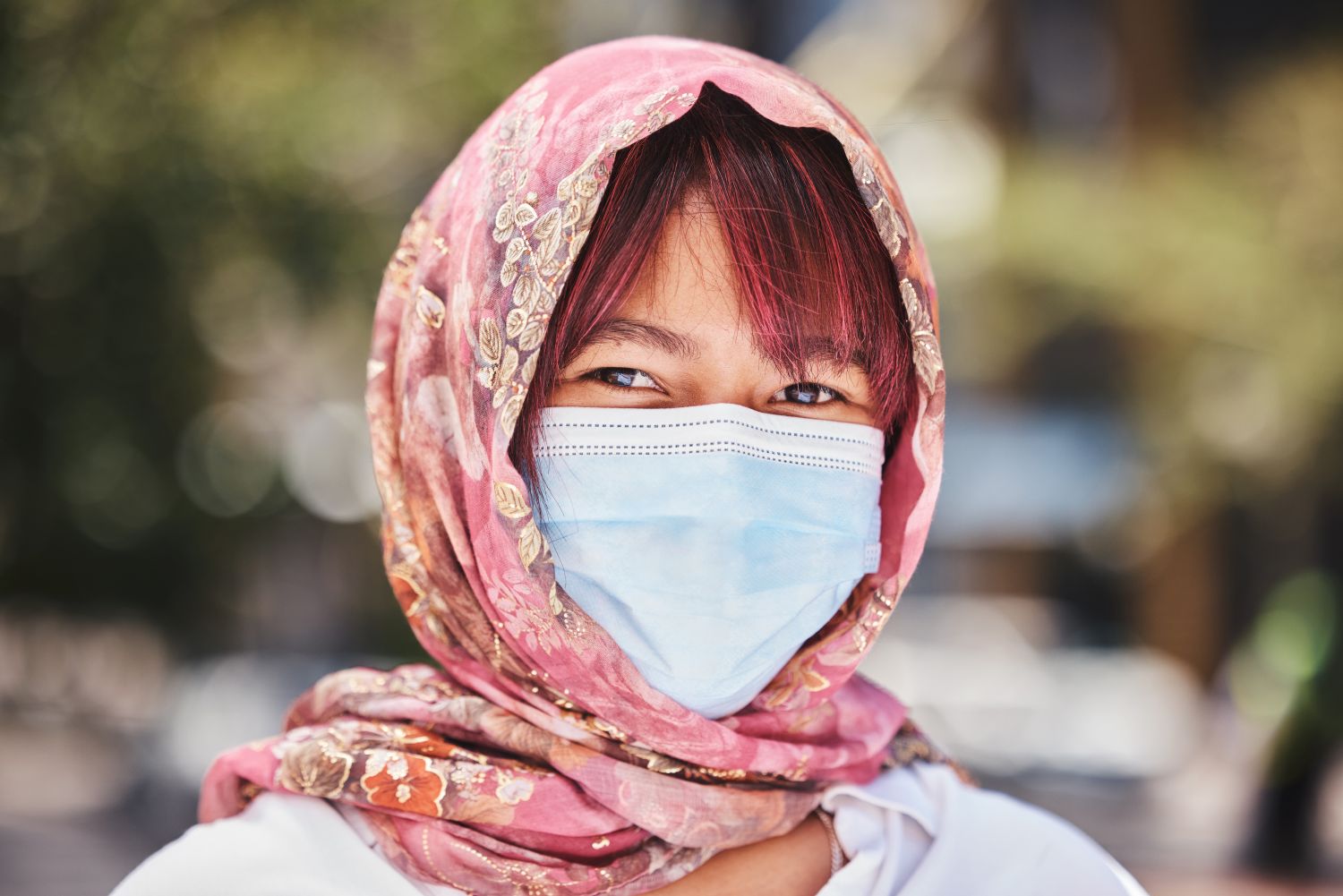
Particulate matter (PM) dust is a significant environmental concern that poses serious health risks to individuals and communities. Comprising tiny particles suspended in the air, PM dust can originate from various sources, including industrial emissions, vehicle exhaust, dust storms, and construction activities. Understanding the dangers associated with PM dust is crucial for protecting public health and promoting awareness about air quality. This article explores the types of PM dust, its sources, health effects, and measures to mitigate its impact.
1. Understanding Particulate Matter (PM)
What is Particulate Matter?
Particulate matter refers to a mixture of solid particles and liquid droplets found in the air. The size of these particles is measured in micrometers (µm), with PM categorized into two main groups:
- PM10: Particles with a diameter of 10 micrometers or smaller. These can be inhaled and may cause respiratory issues.
- PM2.5: Fine particles with a diameter of 2.5 micrometers or smaller. These are particularly concerning as they can penetrate deep into the lungs and enter the bloodstream, leading to more severe health effects.
Sources of PM Dust
PM dust can originate from both natural and anthropogenic sources:
- Natural Sources: Dust storms, wildfires, volcanic eruptions, and pollen contribute to the natural occurrence of PM in the environment.
- Anthropogenic Sources: Human activities, such as industrial processes, vehicle emissions, construction, and agricultural practices, are significant contributors to PM pollution.
2. Health Risks Associated with PM Dust
Respiratory Issues
Inhalation of PM dust can lead to various respiratory problems, particularly for vulnerable populations such as children, the elderly, and those with pre-existing conditions. Health risks include:
- Asthma Attacks: PM can exacerbate asthma symptoms, leading to increased frequency and severity of attacks.
- Chronic Obstructive Pulmonary Disease (COPD): Long-term exposure to PM can contribute to the development and worsening of COPD.
- Reduced Lung Function: Fine particles can impair lung development in children and reduce overall lung function in adults.
Cardiovascular Effects
Research has demonstrated a strong link between PM exposure and cardiovascular health issues. Inhalation of fine particulate matter can lead to:
- Heart Attacks: PM exposure is associated with an increased risk of heart attacks and other cardiovascular events.
- High Blood Pressure: Long-term exposure to PM can contribute to the development of hypertension.
- Stroke: Studies indicate that PM exposure may increase the risk of stroke due to its impact on cardiovascular health.
Other Health Concerns
Beyond respiratory and cardiovascular issues, PM dust can also contribute to:
- Neurological Effects: Emerging research suggests that PM exposure may be linked to cognitive decline and neurological disorders.
- Pregnancy Complications: Pregnant women exposed to high levels of PM may face risks such as low birth weight and preterm birth.
3. Vulnerable Populations
Certain groups are more susceptible to the harmful effects of PM dust, including:
- Children: Developing lungs and immune systems make children particularly vulnerable to the effects of air pollution.
- Elderly Individuals: Older adults often have pre-existing health conditions that can be exacerbated by PM exposure.
- Individuals with Pre-existing Conditions: Those with asthma, COPD, heart disease, or other chronic illnesses are at higher risk of experiencing severe health effects from PM dust.
4. Mitigating the Impact of PM Dust
Monitoring Air Quality
Staying informed about air quality levels is essential for reducing exposure to PM dust. Many regions provide real-time air quality data through apps and websites, allowing individuals to take precautions when pollution levels are high.
Personal Protective Measures
When air quality is poor, consider the following measures to minimize exposure:
- Limit Outdoor Activities: Reduce outdoor activities, especially vigorous exercise, on days with high PM levels.
- Use Air Purifiers: Consider using HEPA air purifiers indoors to reduce PM levels and improve indoor air quality.
- Wear Masks: In areas with high dust levels, wearing masks designed to filter out particulate matter can provide additional protection.
Community Efforts
Communities can play a significant role in reducing PM dust through initiatives such as:
- Regulation of Emissions: Advocating for stricter regulations on industrial emissions and vehicle exhaust can help improve air quality.
- Promoting Green Spaces: Planting trees and creating green spaces can help absorb pollutants and reduce overall PM levels in urban areas.
- Raising Awareness: Educating the public about the dangers of PM dust and encouraging proactive measures can lead to healthier communities.
Conclusion
Understanding the dangers of PM dust is crucial for safeguarding public health and enhancing overall well-being. By recognizing the sources and health risks associated with particulate matter, individuals and communities can take proactive steps to mitigate its impact. Through awareness, monitoring, and collective efforts, we can work towards cleaner air and a healthier environment for everyone.