
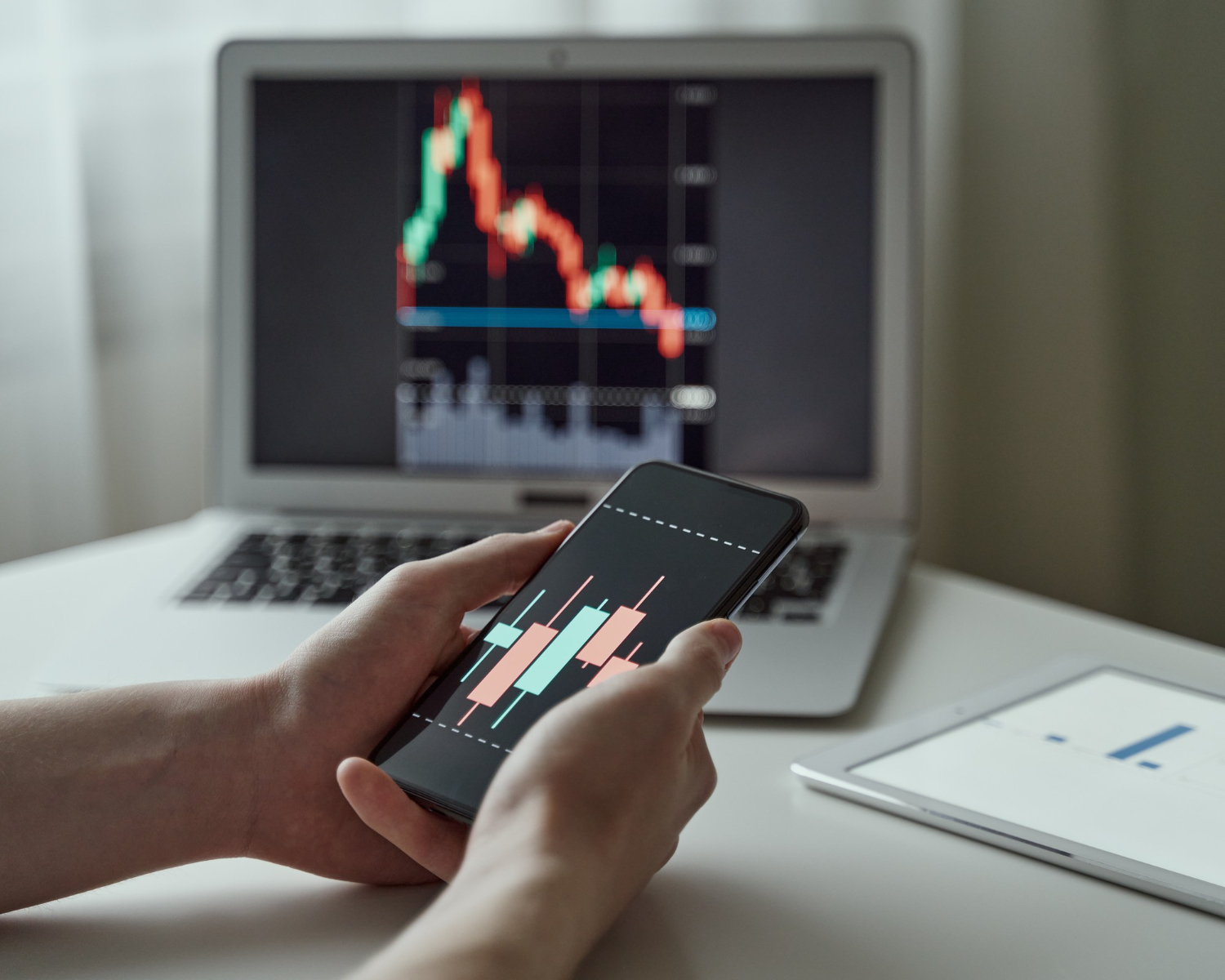
Imagine turning a small deposit into massive profits-or wiping it out in hours. That’s the double-edged sword of leverage in Forex trading with Philippine brokers.
As the Bangko Sentral ng Pilipinas and SEC tighten oversight, understanding leverage risks is crucial for local traders. This article explores its mechanics, regulatory limits, common broker offerings, volatility impacts, psychological pitfalls, real case studies, and proven mitigation strategies.
How Leverage Amplifies Gains and Losses
A 50-pip move on a 1:500 leveraged 1-lot EUR/USD position turns $500 profit into $5,000 gain (10% account growth on $5,000 balance) but flips to $5,000 loss if reversed. This shows how high leverage acts as a multiplier in Forex trading. With Philippine Forex brokers, such ratios amplify both sides of the trade.
Leverage ratios like 1:100 or 1:500 determine position size relative to your capital. A $10,000 account with 1:100 leverage controls $1 million, while 1:500 controls $5 million. This borrowed funds setup boosts pip value but heightens account blowout risk on adverse moves.
Consider this calculation table for a 1 lot EUR/USD trade on a $10,000 account during a 100-pip move:
| Leverage | Position Size | +100 Pips Profit | -100 Pips Loss |
| 1:100 | $1,000,000 | $1,000 | -$1,000 |
| 1:500 | $5,000,000 | $5,000 | -$5,000 |
In practice, a real MT5 chart from an NFP release shows a 200-pip move wiping out a 1:1000 leveraged account. The position surged past stop out level, triggering full liquidation. Traders with Philippine brokers face similar volatility in major pairs during economic news.
To manage this, use risk management like limiting risk per trade to 1-2% of capital. Test on a demo account first, adjusting lot size and leverage ratio. This prevents amplified losses from turning small swings into financial setbacks.
SEC Guidelines on Maximum Leverage Ratios
SEC Memorandum Circular No. 11 (2019) doesn’t specify Forex leverage ratios but mandates adequate risk disclosure. Local brokers cap at 1:100 while offshore brokers popular in PH offer 1:500-1:2000. Traders must understand these regulatory leverage limits to manage leverage risks.
The Philippine Securities and Exchange Commission focuses on investor protection through clear rules on margin requirements. Local licensed brokers like BPI Trade adhere to 1:100 maximum leverage for retail clients. This low leverage helps prevent rapid account blowouts from amplified losses.
Offshore options tempt with high leverage, but they increase exposure to margin calls and stop out levels. For example, trading major pairs with 1:2000 can lead to quick financial loss during market volatility. Always check broker leverage policy before opening a live account.
| Regulator | Max Leverage Retail | Max Leverage Pro | PH Status | Examples |
| SEC PH | 1:100 | N/A | Local only | BPI Trade |
| CySEC | 1:30 | 1:500 | Popular | XM, FBS |
| Offshore | 1:2000 | 1:2000 | Most PH traders | HotForex, Exness |
In 2022, SEC imposed a 1M fine on an unregistered broker for operating without license. This highlights risks of unregulated brokers and the need for client funds protection. Choose brokers with segregated accounts and negative balance protection to safeguard capital.
Margin Call and Stop-Out Scenarios
At 50% margin level, brokers issue margin call warnings. A 20% level triggers stop-out, closing all positions. For example, a 1:500 EUR/USD position hits this after just 40 pips against a $1,000 margin, causing a $200 loss.
A Philippine Forex broker sets unique margin call and stop-out levels. These protect against account blowout from high leverage. Traders must monitor the MT4 margin meter closely during volatile sessions.
| Broker | Margin Call | Stop Out | Example |
| Exness | 60% | 30% | 1 lot GBP/USD at 1:500 needs quick action at 60% to avoid closure |
| FBS | 50% | 20% | High leverage users face faster stop-out on major pairs |
Consider a $10,000 account with 1 lot GBP/USD at 1:500 leverage. This uses EUR200 margin requirement. A 100 pip loss drops equity by 50%, triggering a margin call.
After the call, add funds or reduce positions to recover. Ignoring it leads to stop-out at 20-30%, amplifying financial loss. Use demo accounts to practice spotting these on MT4.
High leverage like 1:500 speeds up risks with major pairs. Risk management involves setting stop-losses at 1-2% risk per trade. Monitor for economic news causing drawdown.
Impact of Peso Fluctuations and Global Events
USD/PHP jumped 5% (5558) during the 2022 inflation crisis; 1 lot position at 1:500 leverage = 250,000 loss (500% of $5,000 account). High leverage risks amplify such moves in Philippine Forex brokers. Traders face rapid margin calls without proper risk management.
Consider BSP rate hike in March 2022 with a 450 pip move. This caused sharp USD/PHP spikes, hitting high leverage positions hard. Forex trading during such events demands low leverage like 1:100.
Typhoon season in October 2021 drove a +3% USD/PHP safe-haven flow. Local disasters boost peso fluctuations, increasing market volatility. Adjust position size to limit drawdown.
Global risk-off like 2020 COVID pushed USD/PHP from 57 to 65. Geopolitical events trigger account blowouts at 1:500 leverage. Use volatility-adjusted leverage (1:100 during BSP week) for safety.
| Currency Pair | 1 Lot Pip Value (at 58) |
| USD/PHP | 100/pip |
| EUR/PHP | 110/pip |
| GBP/PHP | 130/pip |
| JPY/PHP | 0.85/pip |
This pip value table for PH pairs shows exposure. A 450-pip BSP move on USD/PHP 1 lot equals 45,000 loss unleveraged. With leverage ratio, losses multiply, stressing margin requirements.
Position Sizing and Risk Management Rules
Use position size calculator: $10,000 account, 1% risk ($100), 50-pip SL on EUR/USD = 0.2 standard lots even at 1:1000 leverage (avoids 20% drawdown on 100-pip loss). This formula keeps leverage risks in check with Philippine Forex brokers. It ensures position size matches your risk per trade.
The core formula is Position Size = (Account x Risk%) / (SL Pips x Pip Value). Enter this into Excel or Google Sheets for quick calculations. For EUR/USD, pip value is typically $10 per standard lot, so adjust for micro account or lot size variations.
Follow these risk management rules to avoid margin call or account blowout. They work across 1:500 leverage or higher with licensed brokers under SEC Philippines oversight. Test on a demo account first.
| Risk Level | Max Lots 1:500 | SL Distance | Example |
| Conservative 1% | 0.2 | 50 pips | EUR/USD |
| Moderate 2% | 0.4 | 50 pips | GBP/USD |
| Aggressive 3% | 0.6 | 30 pips | USD/JPY |
| Exotic Pairs | 0.1 | 80 pips | USD/PHP |
| High Volatility | 0.15 | 40 pips | AUD/USD news |
- Never> 3 open trades to limit portfolio leverage exposure.
- 5% portfolio risk max across all positions prevents deep drawdown.
- Weekly -10% circuit breaker: pause trading if hit, review strategy.
- RSI>70 no longs; RSI<30 no shorts to dodge overbought conditions.
- Trailing stop +20 pips locks profits during trend lines or moving averages moves.
What is Leverage in Forex Trading?
Leverage in Forex trading allows traders to control large positions with small capital, using a broker-provided loan multiplier like 1:500 leverage where $1,000 controls $500,000 in currency. This leverage ratio acts as a multiplier on your account balance. The formula is simple: Position Size = Account Balance x Leverage Ratio.
For example, with a $1,000 balance and 1:500 leverage, you open a position worth $500,000. Brokers require margin requirements to secure this trade. Margin is calculated as 1 / Leverage Ratio, so for 1:500 on EUR/USD, it’s 0.2% margin, or $200 for a $100,000 position.
Understand pip value to grasp impact: for 1 standard lot (100,000 units), a 1-pip move equals $10. A 50-pip gain yields $500 profit on margin, but losses amplify too. Practice on an MT4 demo account; a screenshot might show a leveraged EUR/USD buy at 1.1000 with 1:500, margin used at $200, and equity fluctuating per pip.
Philippine Forex brokers often offer high leverage like 1:1000 leverage, but check SEC Philippines or BSP regulations for limits. Always calculate position size to manage risks before trading live.
Regulatory Framework for Leverage in the Philippines
The Philippine SEC and BSP do not directly regulate retail Forex leverage but require brokers to be registered. Most Filipino traders use international brokers under CySEC (1:30 max) or offshore licenses offering 1:500+. This dual setup creates a gap in local oversight for high leverage trading.
SEC Circular E-190 sets rules on investment solicitation, banning unregistered entities from promoting Forex. BSP Forex guidelines focus on currency exchange, not leveraged trading platforms. Traders must verify broker registration to avoid unregulated brokers.
Locally regulated entities like COL Financial and BDO Securities offer limited leverage for stocks, not full Forex. They prioritize margin requirements aligned with securities laws. International options dominate due to flexible leverage ratios.
- SEC Philippines enforces registration for local brokers.
- BSP oversees foreign exchange but skips retail leverage caps.
- Offshore brokers fill the void with high limits.
Compared to ASIC or CySEC’s 1:30 retail cap, SVG or Comoros allow 1:1000 leverage. The SEC website advisory warns against unregistered brokers promising extreme ratios. Stick to licensed ones for client funds protection and lower leverage risks.
Common Leverage Offerings by Philippine Brokers
Popular brokers for Filipino traders offer tiered leverage: Exness (up to 1:2000), FBS (1:3000), XM (1:1000). Local brokers like COL Financial limit to 1:50 leverage. These options reflect a mix of international and local providers under BSP regulations.
International brokers provide high leverage for major pairs like EUR/USD at 1:1000, minors at 1:500, and exotics at 1:200. Dynamic leverage adjusts based on equity, such as 1:500 for accounts under $1000 and 1:2000 above $10k. This helps manage leverage risks during volatile markets.
The table below compares six brokers popular with Philippine traders. Check margin requirements and account types before trading. Always test on a demo account to understand stop out levels.
| Broker | Max Leverage | Min Deposit | Account Types | Spreads | PH IB |
| Exness | 1:2000 | $10 | Standard/ECN/Zero | 0.0 pips | Yes |
| FBS | 1:3000 | $5 | Micro/Standard/ECN | 0.0 pips | Yes |
| XM | 1:1000 | $5 | Micro/Standard/Ultra Low | 0.0 pips | Yes |
| IC Markets | 1:500 | $200 | Standard/Raw Spread | 0.0 pips | Yes |
| FP Markets | 1:500 | $100 | Standard/Raw/ECN | 0.0 pips | Yes |
| Tokenize | 1:100 | $100 | Standard/Pro | 0.6 pips | Yes |
Philippine traders should prioritize brokers with PH IB support for local assistance. Review broker leverage policy for currency pairs and equity-based adjustments. This setup aids in controlling position size and risk per trade.
Key Risks of High Leverage Trading
High leverage multiplies losses exponentially. A 1% EUR/USD move against a 1:1000 position wipes 100% of margin, compared to 10% loss at 1:100 leverage. Traders with Philippine Forex brokers often face these amplified dangers due to high maximum leverage offers.
Account blowout happens quickly in volatile markets. With 1:1000 leverage and a 0.1% adverse move, positions lose 100% of margin instantly. This risk grows with exotic pairs or during economic news.
Margin calls and stop outs cascade without proper risk management. Demo accounts on MT4 show how small drawdowns trigger chain reactions. Philippine traders must watch margin requirements closely on live accounts.
Weekend gaps and scam tactics add further threats. Use a risk calculator with this formula: Risk Amount = (Account Balance * Risk Per Trade %) / (Stop Loss in Pips * Pip Value). It helps set safe position sizes amid BSP regulations.
1. Account Blowout from Extreme Leverage
At 1:1000 leverage, a tiny 0.1% price shift equals 100% financial loss on margin. For a $1,000 account trading one standard lot EUR/USD, this account blowout erases equity fast. High leverage turns minor pips into total wipeouts.
Philippine traders using unregulated brokers encounter this often with major pairs. Volatility from interest rate decisions amplifies the issue. Stick to low leverage like 1:100 for safer risk per trade.
Experts recommend position size calculators to avoid overleveraging. Test on demo accounts first. This prevents emotional trading and greed-driven mistakes.
2. Margin Call Cascade
A margin call triggers when equity falls below requirements, forcing position closures. On MT4 demo platforms, open multiple trades and watch a small drop cause a cascade effect. Real accounts with high leverage suffer worse during volatility.
With 1:500 leverage, correlated currency pairs can chain-react. Philippine users of STP brokers see this in swing trading. Monitor stop out levels to intervene early.
Use isolated margin modes if available. Set alerts for drawdown thresholds. This risk management tactic protects against full portfolio loss.
3. Weekend Gaps and Market Shocks
Weekend gaps occur when markets reopen with jumps from news or events. The 2022 CHF crisis saw 30% gaps, devastating leveraged positions overnight. Traders wake to massive losses without a chance to exit.
Geopolitical events hit exotic pairs hardest for Philippine Forex brokers. High leverage turns a gap into amplified losses beyond negative balance protection. Avoid holding positions over weekends.
Opt for hedging strategies or close trades Friday. Check broker weekend gap policies. This curbs exposure to black swan events.
4. Scam Broker Leverage Traps
Scam brokers lure with 1:1000 leverage but block withdrawals after wins. Unregulated offshore firms ignore SEC Philippines rules, risking client funds. Always verify segregated accounts and regulation.
Signs include unreal deposit bonuses tied to leverage. Traders face withdrawal risks post-profits. Choose licensed brokers with CySEC or ASIC oversight for safety.
Review broker reliability via KYC compliance. Test small deposits on micro accounts first. This avoids traps from fake high leverage promises.
Market Volatility and Leverage Exposure
USD/PHP volatility spiked during 2022 Fed hikes. With 1:500 leverage, a normal 200-pip weekly range could turn into potential 200% account exposure for Philippine Forex brokers’ clients.
Market volatility comes from sources like BSP rate decisions, US NFP reports, and geopolitical events. Traders using high leverage face amplified losses when pairs like USD/PHP move sharply. Understanding these helps in setting proper risk management rules.
The ATR indicator measures daily ranges: EUR/USD 14-period ATR shows 85 pips, while USD/PHP hits 0.15. Exotic pairs often swing wider than major pairs. Use ATR on MT4 or MT5 to adjust position size and avoid margin calls.
A simple volatility/leverage risk calculator multiplies expected ATR by leverage ratio and lot size. For example, on a micro account with 1:500 leverage, a 100-pip spike risks half your balance per standard lot. Test this on a demo account before live trading with licensed brokers.
BSP Rate Decisions
BSP rate decisions trigger sharp PHP moves, like a 50bps cut in March 2022 causing a 300-pip USD/PHP shift. High leverage ratios from Philippine Forex brokers magnify this into quick drawdowns. Traders should watch announcements to tighten stop out levels.
Interest rate decisions affect currency strength directly. Pair them with fundamental analysis for better timing. Avoid opening large positions right before BSP meetings to prevent account blowouts.
US NFP Reports
US Non-Farm Payroll data often sparks average 150-pip spikes in major pairs. For USD/PHP traders, this means sudden volatility hits on exotic pairs. High leverage turns these into major financial losses without proper hedging strategies.
News trading risks include slippage and requotes on STP or ECN accounts. Use economic news calendars on trading platforms. Set wider stops or sit out during NFP releases for conservative trading.
Geopolitical Events
Events like the Ukraine war drove an 800-pip EUR/USD drop, rippling to PHP pairs via risk-off flows. Geopolitical events create weekend gaps and black swan risks. Offshore brokers with 1:1000 leverage expose retail traders most.
Market makers may widen spreads during chaos, hiking costs. Apply technical analysis like support resistance post-event. Focus on low leverage for swing trading in volatile times.
Psychological Risks of Leveraged Positions
Research suggests many high-leverage traders show a disposition effect, where they hold losing positions longer while cutting winners short. With 1:500 leverage common among Philippine Forex brokers, this leads to bigger drawdowns. Experts note revenge trading spikes after losses in such setups.
Emotions drive most trading mistakes, as Mark Douglas explains in Trading in the Zone. Philippine trader forums echo this, with many blaming emotional trading for account blowouts. High leverage ratios amplify these psychological traps.
Here are five key psychological risks of leveraged positions in Forex trading:
- Greed: After a win, a trader doubles their position size on the next trade, chasing bigger gains with 1:1000 leverage, only to face amplified losses.
- Fear: Holding a floating profit on a major pair like EUR/USD at 1:1000 leverage, but exiting early due to panic, missing full rewards.
- Revenge trading: After a loss, jumping into a high-risk 1:2000 leveraged trade to recover funds quickly, worsening the drawdown.
- FOMO: During NFP news releases, scalping exotic pairs with maximum leverage, leading to slippage and emotional decisions.
- Fatigue: Ignoring overnight swaps on swing positions, holding through volatility due to exhaustion, resulting in margin calls.
To counter these, maintain a trading journal. Use this simple template: Date, Pair/Lot Size, Entry/Exit Price, Profit/Loss, Emotions Felt, Lessons Learned. Review weekly to spot patterns in greed fear cycles and improve risk management with Philippine Forex brokers.
Real Case Studies from Philippine Traders
Manila trader ‘PinoyPip’ lost $15,000 in 45 minutes during Jan 2023 NFP using FBS 1:3000 leverage on GBP/JPY. He faced a sudden margin call from high market volatility. This case highlights leverage risks with Philippine Forex brokers.
PinoyPip’s account blowout stemmed from overleveraging on a volatile pair during economic news. His position size amplified losses beyond recovery. Such events underscore the need for strict risk management.
Other Philippine traders share similar stories of financial loss with unregulated brokers. Lessons from these cases promote using demo accounts first. Experts recommend low leverage ratios like 1:50 for beginners.
Reviewing SEC Philippines warnings helps spot scam risks. Verified MT4 statements reveal patterns in drawdown and recovery. These real examples guide safer Forex trading in the Philippines.
Case 1: Account Blowout – $20k to $0
A Cebu trader opened a micro account with an offshore broker offering 1:2000 leverage. Trading AUD/JPY, a 120-pip spike during geopolitical events triggered instant stop out level. The full $20,000 balance vanished in one trade.
High leverage ignored pip value and lot size calculations. Without negative balance protection, the trader faced total wipeout. MT4 statements, verified on Myfxbook, show the rapid equity drop.
Lessons include capping risk per trade at 1-2% and avoiding exotic pairs in volatility. SEC Philippines flags such unregulated brokers. Switch to licensed brokers with BSP oversight for safety.
Case 2: Success Story – $5k to $45k
A Davao swing trader started with $5,000 on a 1:100 leverage ECN account from a CySEC-regulated broker. Using a 2% risk rule on major pairs like EUR/USD, he grew the account to $45,000 over 18 months. Myfxbook-verified growth charts confirm steady profits.
Low leverage allowed room for drawdowns during interest rate decisions. Tools like RSI indicator and stop losses managed position leverage. Consistent risk reward ratio beat market volatility.
Key takeaway: Adhere to margin requirements and trade with the trend using moving averages. This approach suits conservative Philippine traders. Demo testing refined his strategy before live trading.
Case 3: Scam Broker Experience – $10k Withdrawn as $0
A trader in Quezon City deposited $10,000 into a HotForex clone, an unregulated broker promising 1:1000 leverage bonuses. After profits, withdrawal requests yielded nothing. Client funds lacked segregated accounts.
SEC Philippines warnings database lists similar fake platforms with withdrawal risks. No MT4 statements were verifiable; trades showed manipulated spreads. This scam exploited greed fear cycle in high-risk investments.
Protect yourself with KYC requirements and AML compliance checks. Choose brokers under ASIC regulation or FCA for fund safety. Always verify via official broker reviews before funding live accounts.
Mitigation Strategies for Leverage Risks
Limit risk to 1-2% per trade regardless of leverage. Use the position size formula: Risk Amount / (Stop Loss Pips x Pip Value) to cap 1:500 EUR/USD at 0.2 lots for a $10k account. This approach protects against margin calls and account blowouts with Philippine Forex brokers.
Traders facing high leverage like 1:1000 from offshore brokers should prioritize these rules. SEC Philippines and BSP regulations encourage such risk management practices. Start on a demo account to test before live trading.
Integrate MT4 EA settings for auto-risk management, such as setting max risk per trade at 1%. Combine with stop-loss orders tied to pip value calculations. This reduces emotional trading and overleveraging risks.
Below are five key strategies to mitigate leverage risks in Forex trading. Apply them across account types like micro or ECN with licensed brokers.
- 1% Rule: Never risk more than 1% of your account on a single trade, adjusting lot size based on stop-loss distance.
- 1:2 Risk/Reward Minimum: Target profits at least twice the risk, using tools like Fibonacci retracement for levels.
- Max 5% Daily Drawdown: Halt trading if losses hit 5% in a day to avoid revenge trading.
- Correlation Limits: Avoid more than three highly correlated pairs like AUD/USD and NZD/USD to limit portfolio exposure.
- News Blackout: Pause trading 30 minutes before and after major economic news to dodge volatility spikes.
Implementing the 1% Rule with Position Sizing
The 1% rule ensures no single trade wipes out significant capital. For a $10k account, risk $100 max per trade. Calculate position size as Risk Amount / (Stop Loss Pips x Pip Value), ideal for 1:500 leverage on major pairs.
With Philippine Forex brokers, verify pip value on MT4 for pairs like EUR/USD. A 50-pip stop-loss on 0.2 lots keeps risk at 1%. This prevents amplified losses from high leverage ratios.
Use a position size calculator or MT4 EA to automate. Test on demo accounts first, especially with dynamic leverage policies. Experts recommend this for scalping or day trading styles.
Achieving 1:2 Risk/Reward Minimum
Maintain a 1:2 risk/reward ratio by setting take-profit twice the stop-loss distance. For a 30-pip stop, aim for 60 pips profit using support resistance levels. This offsets losses even with a 50% win rate.
In volatile markets from geopolitical events, adjust for market volatility. Technical analysis tools like RSI indicators or moving averages help identify setups. Philippine traders benefit from this amid varying broker spreads.
MT4 EAs can enforce this ratio automatically. Combine with hedging strategies on brokers allowing it, but watch margin requirements. Consistent application builds long-term profitability.
Enforcing Max 5% Daily Drawdown Limits
Set a max 5% daily drawdown to protect against extended losses. Monitor equity on MT4 and stop trading if breached. This curbs the greed-fear cycle in emotional trading.
For swing trading with exotic pairs, track drawdown via account history. Use EA alerts for stop out level warnings. BSP-regulated brokers often provide tools for this monitoring.
Review trades daily to refine risk appetite. Conservative traders may lower to 3%, while aggressive ones stick to 5%. This strategy prevents account blowouts from overleveraging.
Applying Correlation Limits in Portfolios
Limit exposure with correlation limits, avoiding over three pairs like AUD/USD and NZD/USD. Check correlation matrices on trading platforms to diversify. This reduces systemic risk from borrowed funds.
Portfolio leverage across currency pairs demands balance. For ECN accounts, monitor cross margin usage. Unregulated brokers may amplify correlation risks, so choose licensed ones.
MT4 scripts can flag high correlations automatically. Integrate with fundamental analysis during interest rate decisions. This maintains stability amid leverage multipliers.
Observing News Blackout Periods
Implement a news blackout 30 minutes pre/post major events to avoid slippage and gapping. High-impact news like non-farm payrolls spikes volatility. Pause scalping or news trading during these windows.
Calendars on MT4 highlight events; set EA to disable auto-trades. Philippine traders face extra risks from weekend gaps with offshore brokers. Negative balance protection helps, but prevention is key.
Focus on low-volatility periods for entries using MACD crossovers. This strategy aligns with risk warnings from SEC Philippines. Practice on live accounts post-demo mastery.
Frequently Asked Questions
Understanding Leverage Risks with Philippine Forex Brokers: What is leverage in Forex trading?
Leverage in Forex trading with Philippine Forex Brokers allows traders to control larger positions with a smaller amount of capital, such as 1:100 leverage meaning $1,000 controls $100,000. While it amplifies potential profits, understanding leverage risks with Philippine Forex Brokers is crucial as it equally magnifies losses, potentially exceeding your initial deposit.
Understanding Leverage Risks with Philippine Forex Brokers: How do leverage regulations work in the Philippines?
Philippine Forex Brokers operate under the Securities and Exchange Commission (SEC) oversight, which mandates risk disclosures and limits excessive leverage to protect retail traders. Understanding leverage risks with Philippine Forex Brokers involves knowing these caps, often around 1:30 for major pairs, to prevent overexposure in volatile markets.
Understanding Leverage Risks with Philippine Forex Brokers: What are the main risks of high leverage?
High leverage with Philippine Forex Brokers can lead to margin calls, stop-outs, and account wipeouts from rapid market moves. Understanding leverage risks with Philippine Forex Brokers means recognizing that a small adverse price shift, like 1%, can result in 100% loss on a 1:100 leveraged position, emphasizing the need for strict risk management.
Understanding Leverage Risks with Philippine Forex Brokers: How can I calculate my leverage exposure?
To calculate leverage exposure with Philippine Forex Brokers, divide your position size by your margin: for a $100,000 position with $1,000 margin, it’s 1:100. Understanding leverage risks with Philippine Forex Brokers requires using this formula to ensure your equity covers potential drawdowns, avoiding forced liquidations.
Understanding Leverage Risks with Philippine Forex Brokers: What risk management strategies should I use?
Effective strategies when understanding leverage risks with Philippine Forex Brokers include using stop-loss orders, limiting leverage to 1:10-1:20, risking no more than 1-2% per trade, and maintaining a favorable risk-reward ratio. These practices help mitigate the amplified losses inherent in leveraged trading.
Understanding Leverage Risks with Philippine Forex Brokers: Are there safer alternatives to high leverage trading?
Yes, with Philippine Forex Brokers, opt for lower leverage, micro-lots, or copy trading to reduce risks. Understanding leverage risks with Philippine Forex Brokers also involves diversifying across assets and using demo accounts to practice, ensuring sustainable trading without over-reliance on high leverage amplification.